
Customer retention / 7 min read
Customer Retention: A Guide for Service Businesses
A practical retention guide for service businesses, with useful metrics, lifecycle segments and follow-up ideas connecting bookings, messages and loyalty.
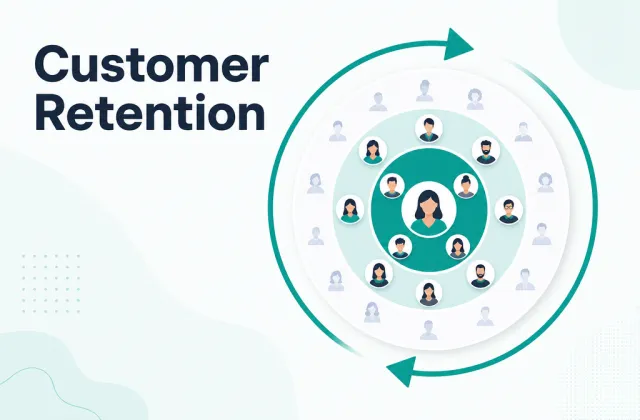
Customer retention is the work of turning a first visit into a useful, ongoing relationship. For a service business, that usually means helping the right customer book again at the right time—not sending more messages to everyone.
The starting point is operational. If booking history, payments, packages and conversations are scattered across different tools, it is difficult to know who needs attention.
Retention metrics worth tracking
You do not need a large dashboard. Start with a small set of measures your team can explain:
Repeat customer rate
The percentage of customers in a period who have booked or purchased before. Define the time window and activity consistently.
Time to second booking
How long it takes a first-time customer to return. The second visit is often the most important behavioural step.
Return interval
How often a customer normally returns for a particular service. A “late” customer is different for a weekly lesson, monthly treatment and annual consultation.
Package renewal or membership continuation
Measure whether customers renew before or soon after expiry. Also track unused balances; a high balance can signal friction rather than loyalty.
Reactivation rate
Of the lapsed customers you contacted, how many returned within the agreed window? Count actual bookings, not just message replies.
Build lifecycle segments before campaigns
Simple lifecycle groups are usually enough:
- New: booked once and has not yet returned;
- Active: returning within the normal interval;
- Due soon: approaching the expected next visit;
- At risk: beyond the normal interval but still relevant;
- Lapsed: absent long enough that a different approach is required;
- High value: frequent or valuable customers who may exist in any lifecycle stage.
For a more systematic approach, use RFM segmentation to combine recency, frequency and monetary value.
Five retention workflows that feel useful
1. First-visit follow-up
Confirm any aftercare, preparation or next step promised during the visit. Keep it specific to the service. The aim is confidence, not an immediate promotion.
2. Timely rebooking
Use the customer’s service and normal return interval to prepare a reminder. “It may be time to book your next session” is more relevant when based on actual history.
3. Package balance and expiry
Show the remaining balance and expiry date clearly. Give the customer a practical next action such as choosing a time, asking a question or reviewing renewal options.
4. Missed or cancelled appointment recovery
Separate a genuine scheduling issue from a repeated no-show. Offer valid alternatives without silently waiving policy. Exceptions should remain a human decision.
5. At-risk customer review
Once a week, review a manageable list of customers who have moved beyond their normal return interval. Let AI prepare context and a draft, then have the team decide who deserves a personal message.
Personalisation without becoming intrusive
Useful personalisation comes from service context, preferences and agreed timing. It does not require mentioning every detail the business has stored.
Good:
Your package has one session remaining and the usual four-week interval is approaching. Would you like the booking link?
Less useful:
We miss you! Here is a discount.
The first explains why the message is relevant. The second can feel like a generic campaign.
Where AI helps—and where it should stop
AI can:
- summarise recent customer history;
- identify lifecycle or RFM segments;
- prepare a draft using approved tone and policy;
- suggest the next task;
- flag unusual cases for review.
People should control:
- discounts and refunds;
- sensitive health or personal context;
- complaints and policy exceptions;
- the final approval for consequential customer messages.
Keep a record of the source data, draft, edits, approval and final action.
A 30-day retention setup
Week 1: establish the record
Bring together customer identity, booking history, payments, package balance and the primary conversation channel. Remove obvious duplicates.
Week 2: define normal return intervals
Choose three to five important services and agree when a customer is active, due, at risk or lapsed.
Week 3: launch one workflow
Start with first-visit follow-up, package expiry or at-risk review. Use a small customer group and review every output.
Week 4: measure real returns
Track confirmed bookings and completed visits. Note the reasons customers do not return; the issue may be availability, price, service fit or a poor experience—not the message.
Retention is one connected record
Customer retention improves when the team can see the whole relationship and act at the right moment. The CRM is the foundation; thoughtful workflows are what turn that record into better service.
FavCRM keeps bookings, WhatsApp follow-up, payments and customer history together, with AI preparation and approval controls for important actions. Book a demonstration to map one retention workflow for your business.